
Sport Types covered:
Running – track, road, trail
Time Trial cycling
Open water swimming
Duathlon/triathlon
Paddling (rivers and ocean)
Free diving and spear fishing
Resistance training (gym/weights)
Road Running:
Since the beginning, man was best at running, so it’s a massive topic – well documented.
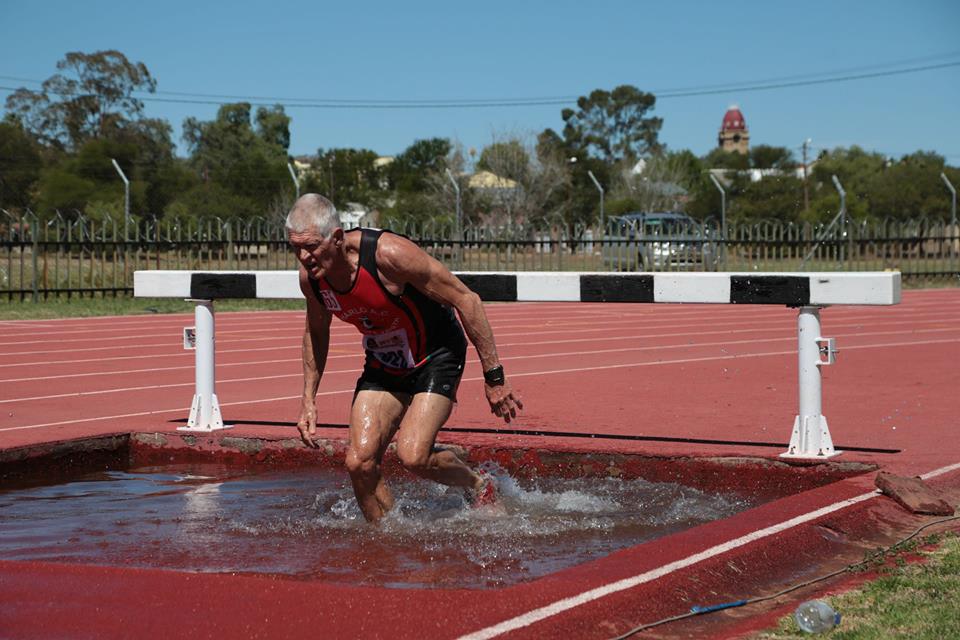
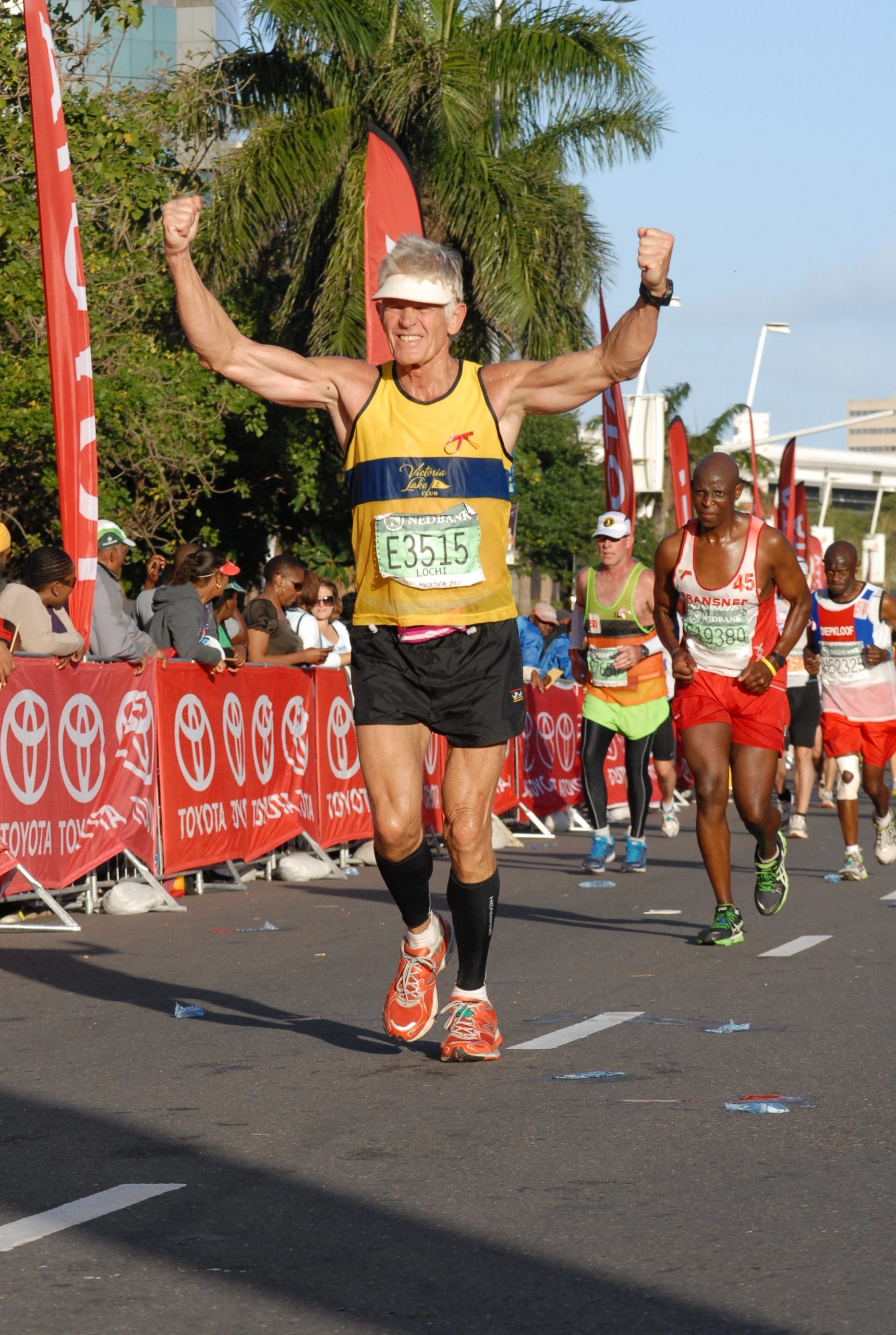
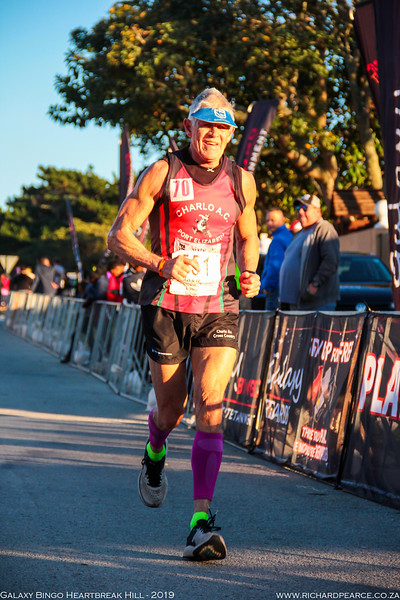
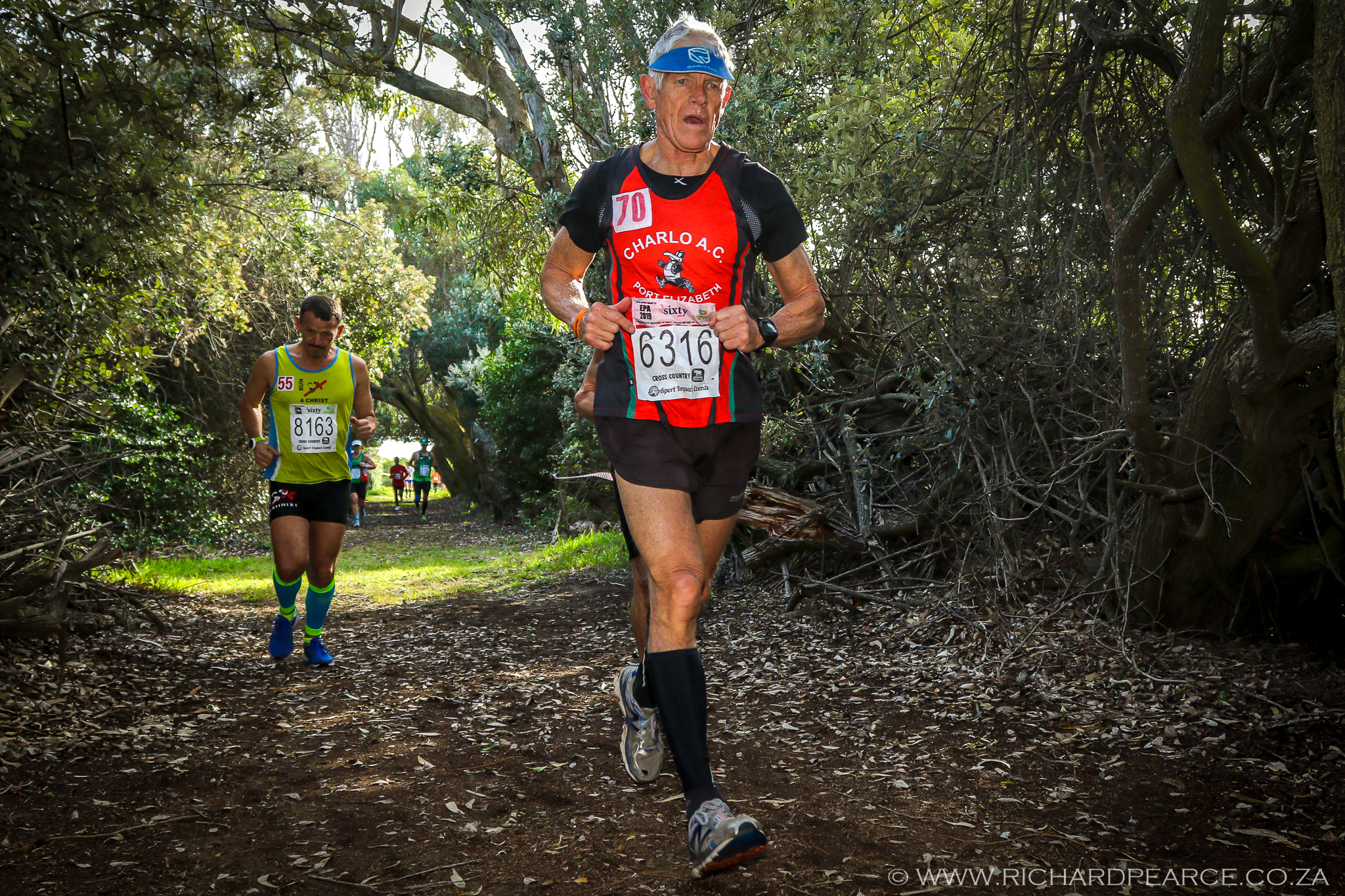
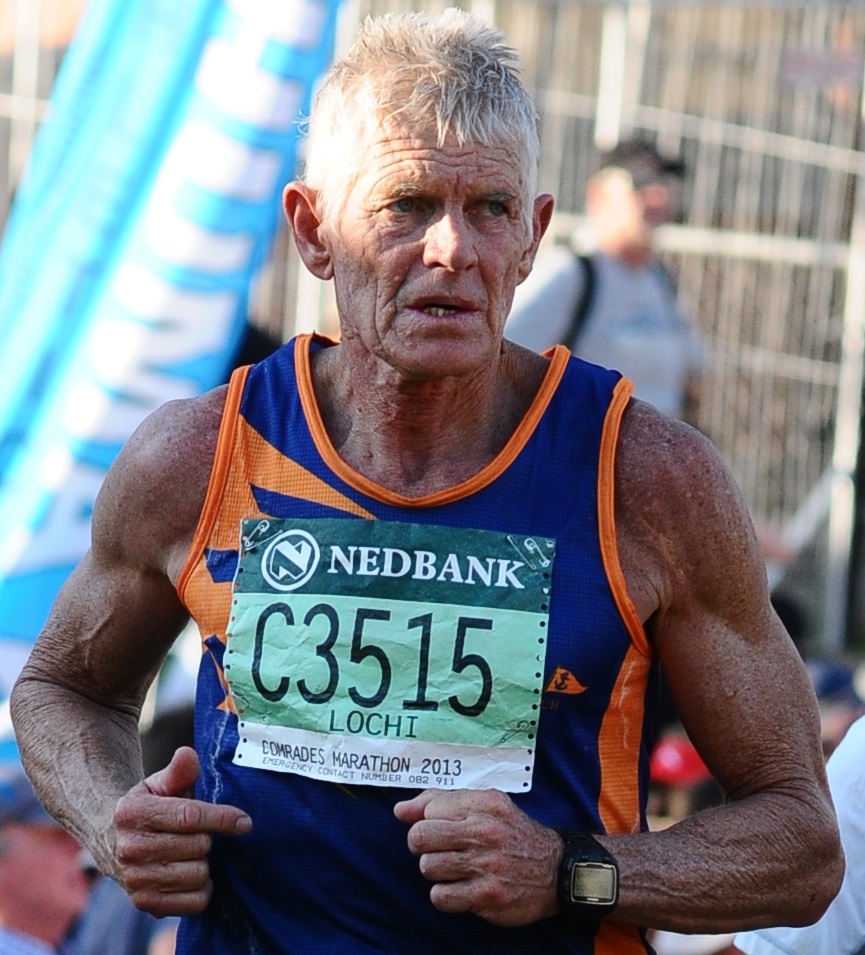
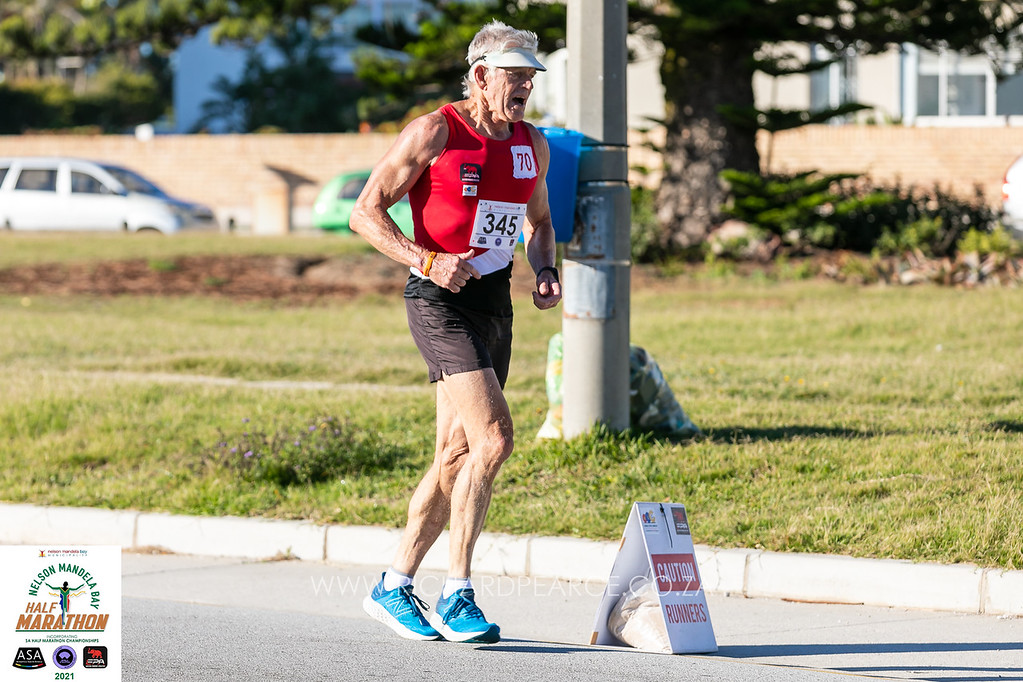
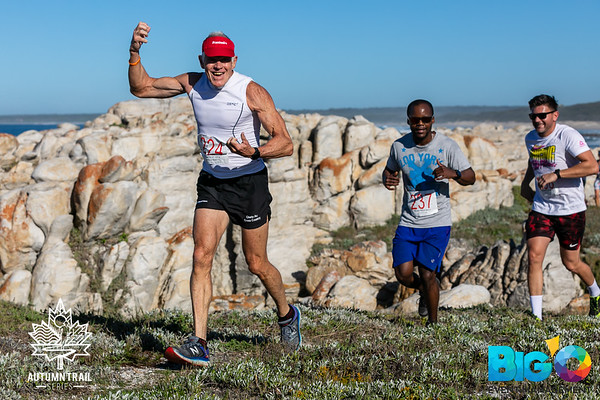
Some tips for beginners:
- To avoid common injuries, warm up and stretch! Dynamic before and static after the run
- Old saying after first injury: “probably too far, too fast, too soon” (link to image)
- Keep weekly mileage appropriate to the race distances you train for
- “Speed work” only as applicable, e.g. “fartlek”, repeats on the track. Rather too little than too much
- Add some applicable resistance training: at least for quads, glutes, ham strings, calves, groin
- Uphill: use lower back muscles by twisting your spine. Careful of not over-using calves
- Downhill: arms in “locomotive mode” and faster/shorter stride for “rolling action”
- Level: land almost flat-footed with rolling action into conscious push-off with calves
- Rhythmic “mantra” for constant focus on style and chosen effort
- Relaxed face/shoulders/arms/hands with slight “pump-action” for legs to “follow” arms
- Mind-set: expect discomfort/pain – the “endurance mind set” (Link to Endurance Mind set)
- Pacing yourself sensibly is critical for races of all distances!!
Time Trial Cycling:
Save those quads:
For maximal efficiency we should theoretically apply tangential force all the way around the pedal stroke – and not radial. In simple terms this means my foot has to apply forces evenly around the circumference of the circular path, and not towards or away from the centre of the spindle. That is the ideal, optimal action. So within the limitations of our human anatomy, here is how we can get closest to that: The muscle group that can potentially provide most drive on the bike is the quadriceps – by far.
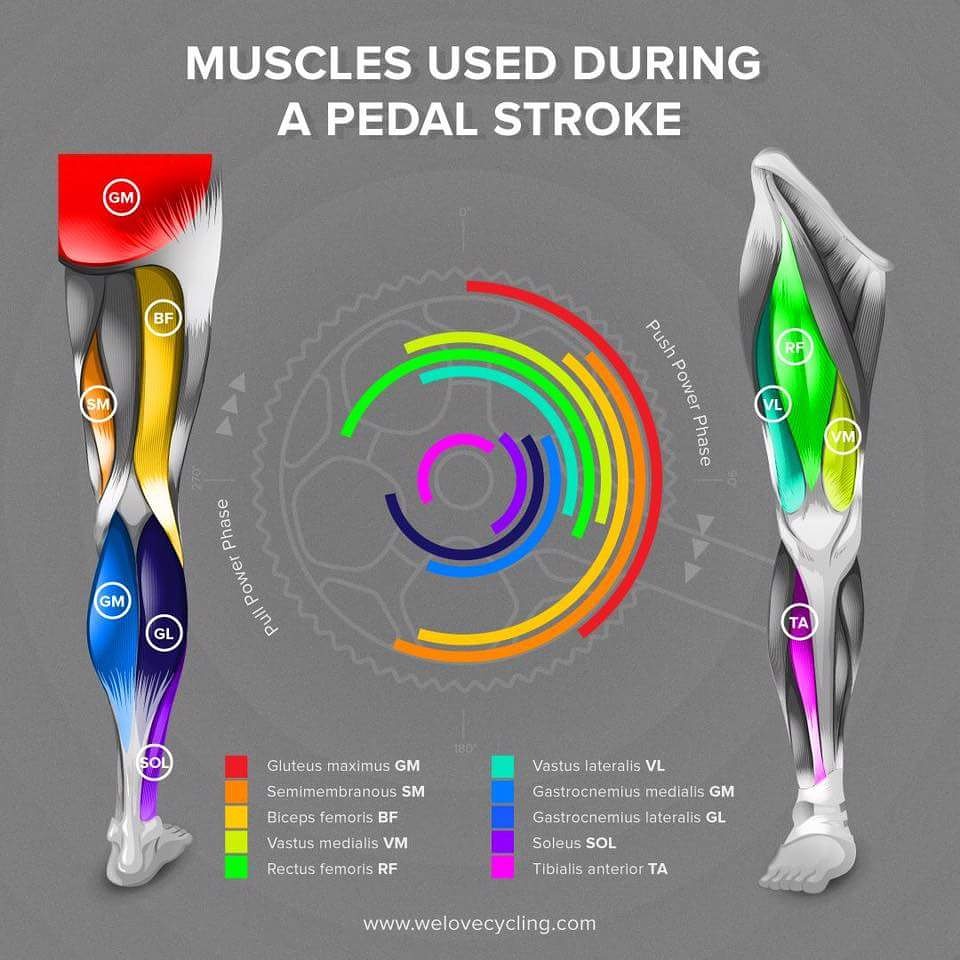
So man’s intuition is to use those only – hence obviously the pedals of “ordinary street bicycles” used for cheap transport are not fitted with straps or cleats. These bikes get propelled 100% by the quads! Ideally the competitive cyclist should also try utilizing other muscles (other than the quads) to the fullest – albeit that they only contribute partially.
Imagine the bike moving from left to right. Pedalling phases are expressed as per the 12 hour clock: Typically the quads would be working from about 1 to 5 o’clock. This happens automatically/ intuitively, so we want to try minimising that consciously as follows: Rake horizontally backwards with the right foot (at the bottom) from 4 to 8 o’clock, while at the same time pushing forwards horizontally with the left foot (at the top) from 10 to 2 o’clock. After some (counted) strokes, reverse the action by just switching legs – i.e. raking left while pushing right. Let’s say 20 strokes on each side each (choose the number that feels best). Now pull with the right foot on its up stroke from 7 to 11 while the left foot relaxes on its down stroke from 1 to 5. And pull left while relaxing right. Let’s say also for some 20 revolutions. Note that unlike the rake/push where you do it “lob sided” for a number of strokes at a time, this action can be done on every up-stroke of every revolution – just with alternative legs, employing mostly the hamstrings. Consciously focus on never pushing down 1 to 5, because this is intuitive – it will still happen and (believe it or not) still be your main source of power. Result? You go further and faster without overloading the quads as your major source of power. Towards the end of a hard ride you will need those quads anyway, and in duathlons and triathlons you will need those quads for the run!!
The bunny-hop refinement:
The “bunny-hop” technique deploys the principle of utilising some “non-cycling” muscles, (i.e. calves and triceps) to elevate your body against gravity to a higher level – i.e. storing potential energy, and then converting this stored potential energy into kinetic energy (which propels the bike) – all while saving the quadriceps (our main muscles for cycling). As follows: when the right foot gets to 6 o’clock on the bottom, you use the right calve and both triceps to push/bump the body upwards. When the right side pedal gets to about 2 o’clock, you straighten that right leg and let your body weight utilize gravity to push the pedal back down to 6 o’clock – with as straight a right leg as practically possible – i.e an almost locked knee. Same on the left side – on every stroke. Obviously this (counter-intuitive) movement cannot be done at high speed, so we are looking at cadence below 60 rpm (either using a high gear or mostly while going uphill). Of course this is an almost weird movement, but it saves the quads for later in the ride – and for the run when doing a triathlon or duathlon. Immediately after every short phase of intense power output via a bunny-hop, you need to give your quads some special rest (because you would still have used them to an extent from 1 to 5 o’clock – no matter how hard you tried not to!) so you rest them completely by only pulling upwards 7 to 11 o’clock with both legs alternating – on every stroke.
Doubting our bunny-hop theory? Then test it experimentally – quantifiable in Watts: Do this experiment not on the road but on the indoor trainer, and watch the power output doubling for that short duration of bunny-hop. Do 2 identical flat rides of about 20km on the IDT with and without about 10 bunny-hops each, and expect to see an increase of at least 10% in average power output! If not, you may call us stoooopid.
Angle of the hips – position of the saddle: The more upright a cyclist, the stronger he can propel himself with the glutes and thigh muscles (quadriceps).
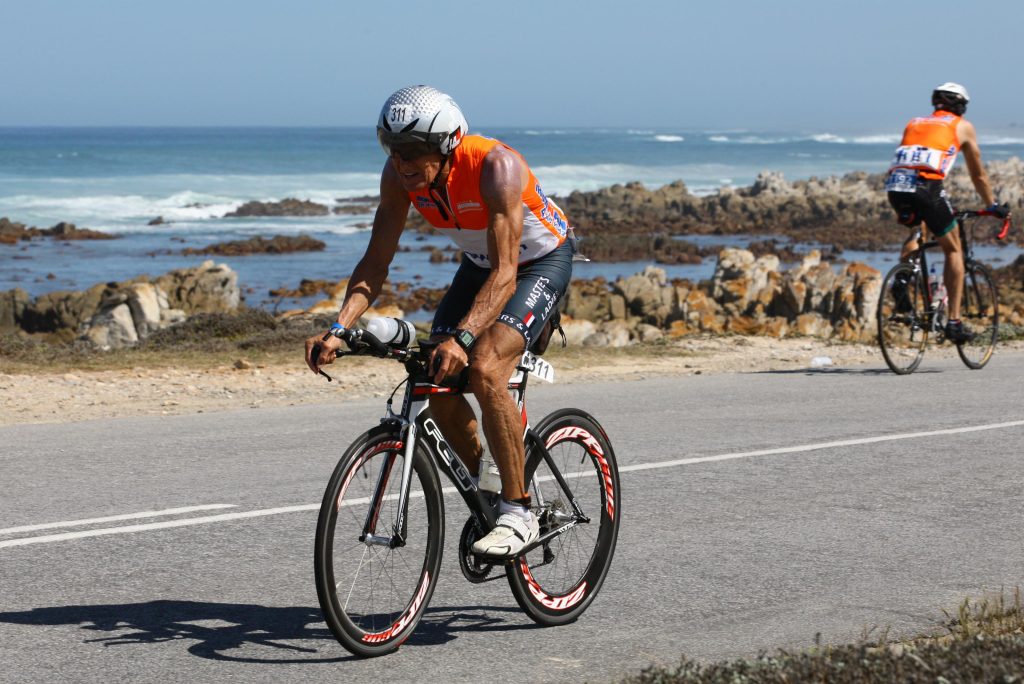
Unfortunately we frequently have to lean forward to reduce wind resistance, which reduces the angle between hips and legs. One way to improve that (albeit in a minor way) is by shifting the saddle and handle bars forward. The formal limitation for that is something like “front tip of saddle no more than 50mm ahead of centre of spindle” – for triathlons. (For cycling time trials that rule happens to be 50mm behind!) (link to image) So we ascertain what the latest formal rules of triathlon and road cycling time trials are, then adjust our saddles to as far forward as possible – within those rules. We can even add another bit to that by buying a stump-nosed saddle! Let’s utilise this (albeit minor) additional advantage.
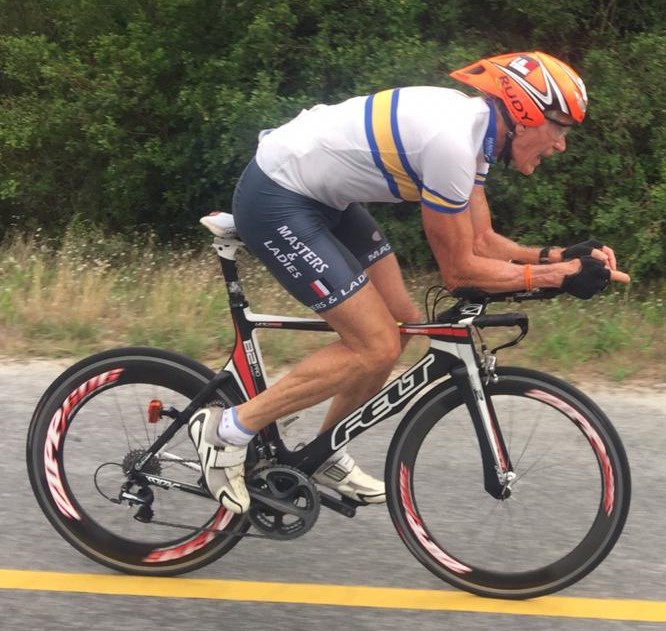
Using TRI bars: (link to image)
Wind resistance increases with the square of speed – not linearly like our minds naturally tend to expect. Example (assuming no tail or frontal winds): at 20 km/hr your wind resistance will be 20×20 = 400 “units” of resistance. At 30 km/hr it will be 30×30 = 900 units. At 40km/hr it will be 40×40 = 1600 units!! So: from 20km/hr to twice the speed at 40 km/hr your wind resistance is four times higher! In a typical cycling race we ride in “the bunch”. We do that by riding close behind the bike(s) in front of us and that way “draft” to reduce wind resistance. In triathlons and time trials, however, that is not allowed, hence the use of “TRI bars” to reduce air resistance. Unfortunately, when leaning forward the angle of your hips is reduced, which causes substantially less power from the quadriceps and glutes (the dominant muscles propelling us forward). We should therefore only be lying down on the bars when wind resistance becomes significant. These conditions are typically in a headwind or going down-hill. Opposite conditions typically not
applicable for lying down: in a tail wind or going slowly up-hill. Reality is that many triathletes and duathletes will fanatically cling to those bars!! – as if this is an absolute “must” – so sad. Triathlons route are usually either circular or out-and-back. It is therefore obvious that along the route the need of tri-bars will vary. In fact: with a strong wind from behind, sitting up straight like the sails of a yacht is even better! The optimal solution: get used to judging relative wind speed by “feeling it in your face”, and looking around at vegetation, flags, clothing, etc. be aware of wind direction.
Open Water Swimming:
“Swimming is not about propelling yourself forward in the water. It is about drag reduction.” (Founder of Total Immersion) Swim Smooth reminds us to avoid the “Arni” style — fighting the water — as it is inefficient.
Swim technique is widely documented, so here is a summarised approach:
- Apply recommended technique in the pool using aids such as a snorkel, pull buoy, and small fins. Have someone record video and compare your form with ideal technique.
- Gradually wean yourself off these aids while setting realistic swim-speed targets.
- Phase in ocean swimming progressively, avoiding windy or rough conditions initially.
- Continuously monitor that you do not lose proper form.
From here, improvement comes gradually by experimenting with buoyancy, slipstreaming, windy conditions, buoy turns, entering and exiting through breakers, bilateral breathing, and developing relaxed “ballet feet.”
Duathlon/Triathlon:
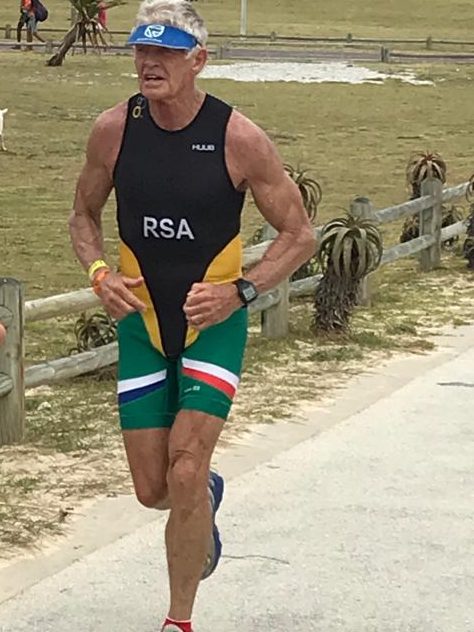
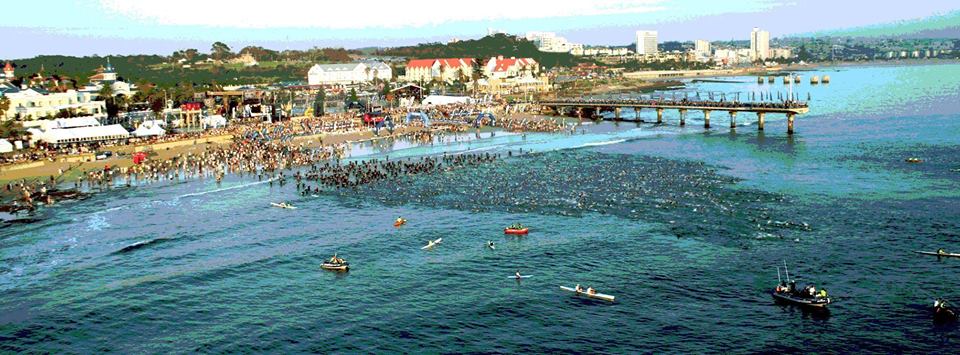
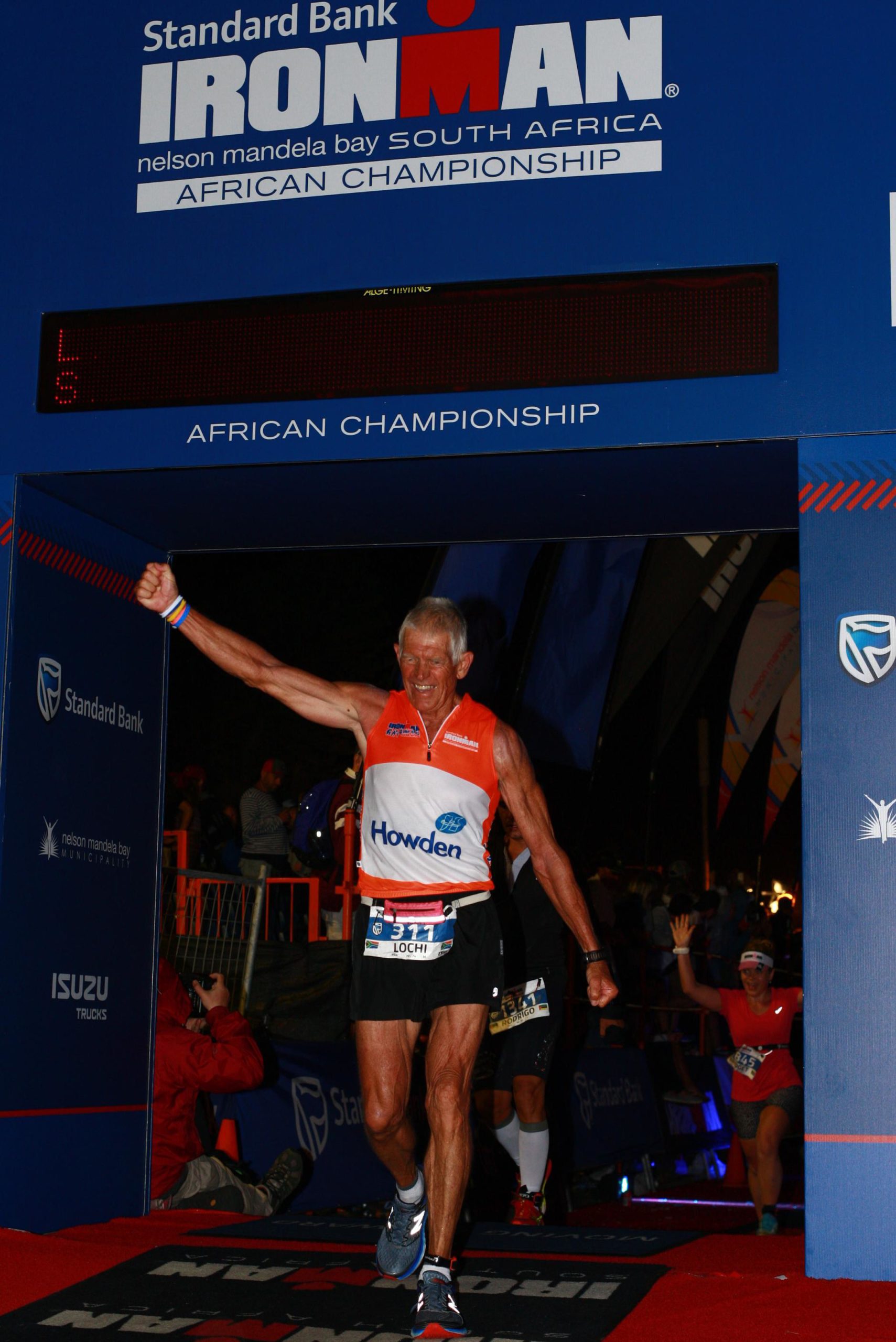
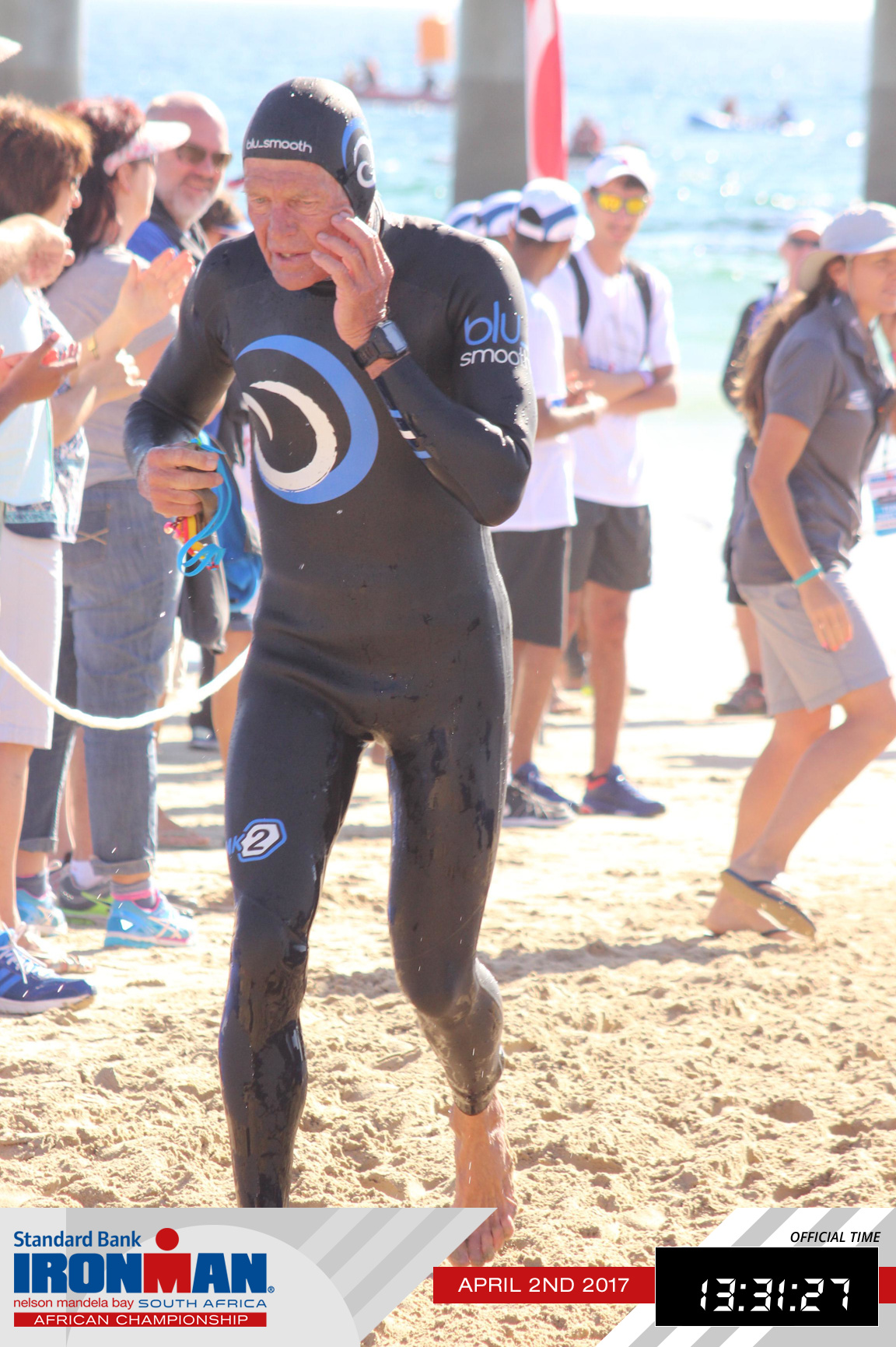
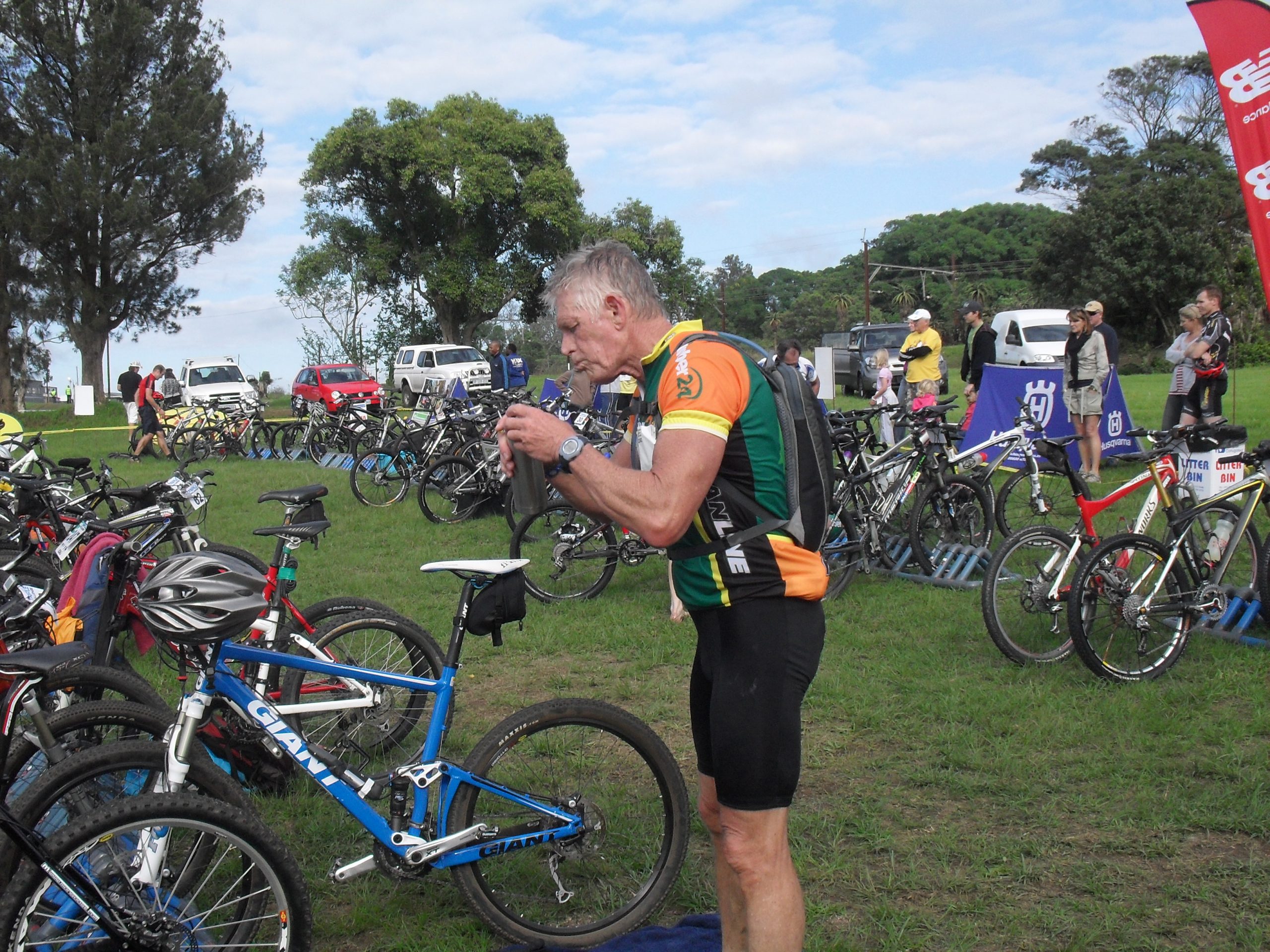
These multidisciplinary sport types require combinations of focus. Instead of a comprehensive “how to” (all well documented elsewhere), we shall rather refer you to the list categories below. Feel free to shoot questions at us as it triggers your mind:
- Genetics and experience: Some of us are “born to run”, some of us are simply not built for swimming. We all have strengths and weaknesses — plan objectively and work around them.
- Tapering before races: This varies between disciplines. Example: your “thumping” running style requires earlier tapering than swimming or cycling. Rule of thumb: taper disciplines at different rates based on your genetics and fitness level.
- Transition One (Swim → Bike): Practice stripping off your wetsuit quickly after training swims. Some races provide “wet-suit strippers.” Experiment with plastic bags, baby powder, hair conditioner, etc. Dry yourself when required or wear bike gear under your wetsuit (weather permitting). Each race is unique.
- Transition Two (Bike → Run): “Jelly legs” is common for newbies. Brick sessions (running after cycling) help. You don’t need long runs — just short, fast “run-off-the-bike” efforts after most rides. This builds both physical and mental advantage. So much so that you must carefully monitor the first few kilometres to avoid starting too fast.
- Gearing: It is painful to watch novices struggle in the wrong gear. Select the correct gear for the start of the bike stage before you mount.
- Cycling shoes: Getting on and off the bike “on-the-fly” has advantages and disadvantages. Experiment during training to determine what works best for you.
- Memorise: Your bike racking position, changing areas, entry and exit routes, bag position and race numbering. Fatal seconds can easily become fatal minutes.
- Nutrition: Read up, talk to others, experiment during training and learn what works for you. When in doubt, stash back-ups in your pockets. Think scientifically — yet pragmatically.
Paddling (rivers and ocean):
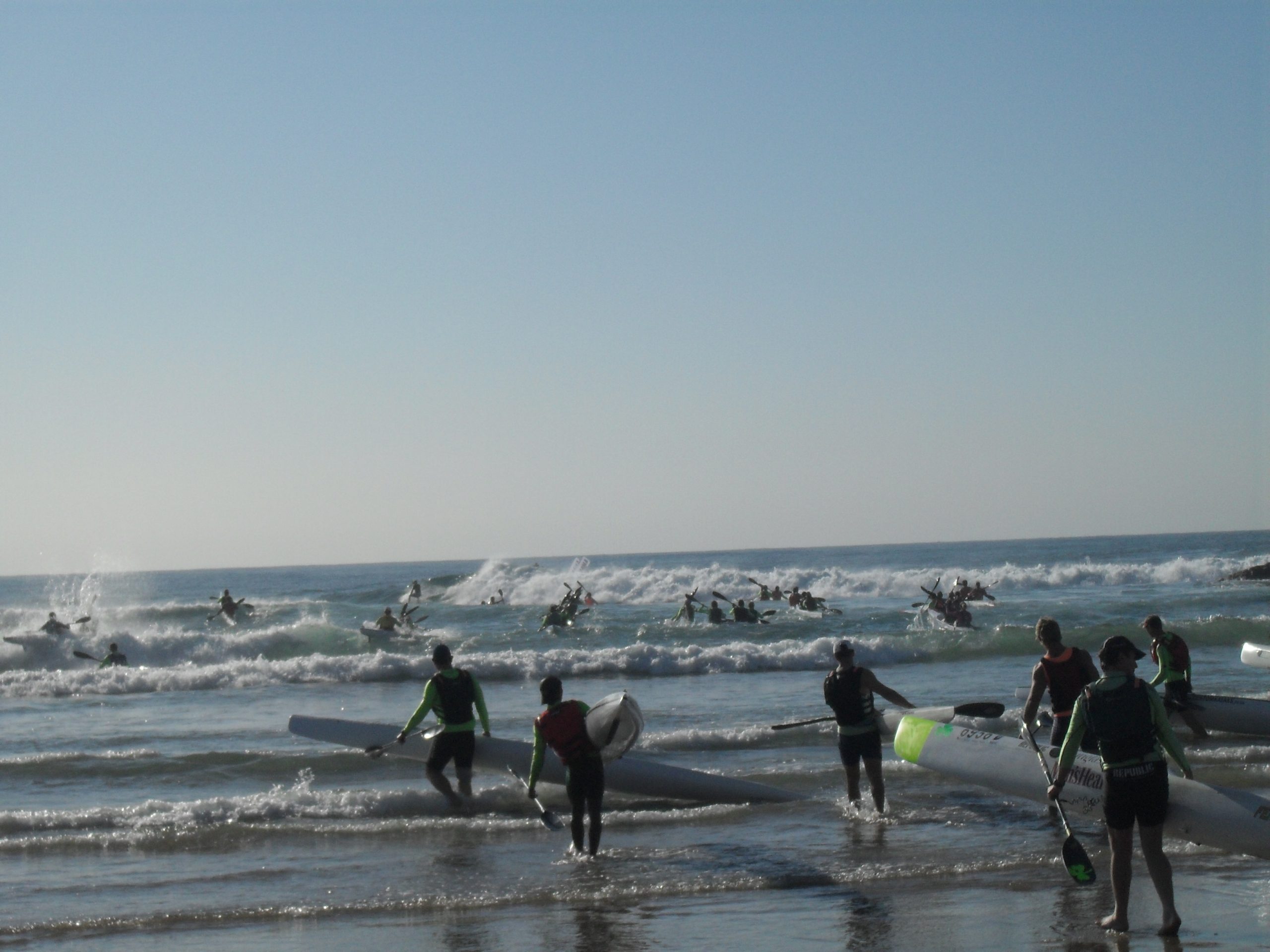
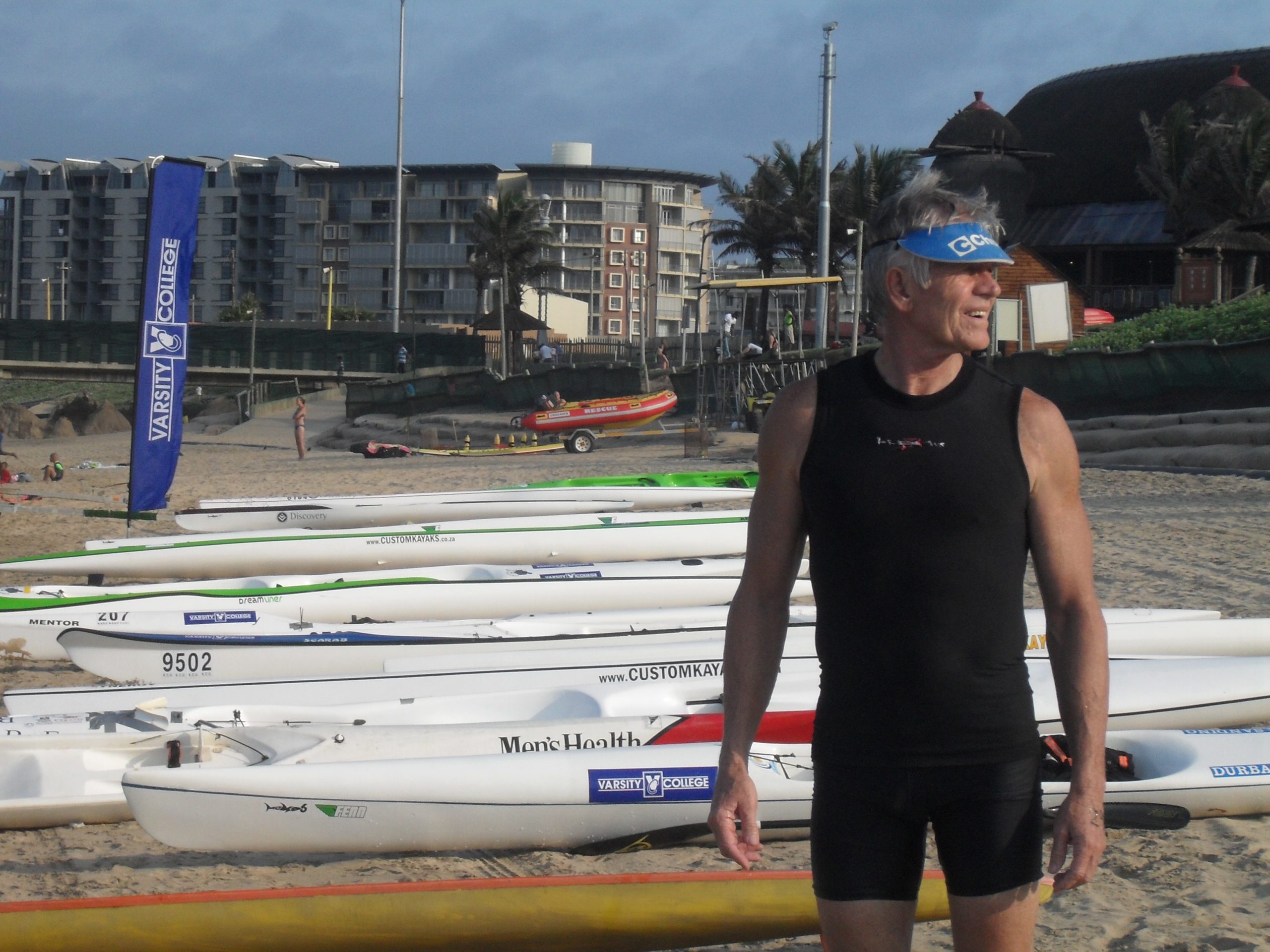
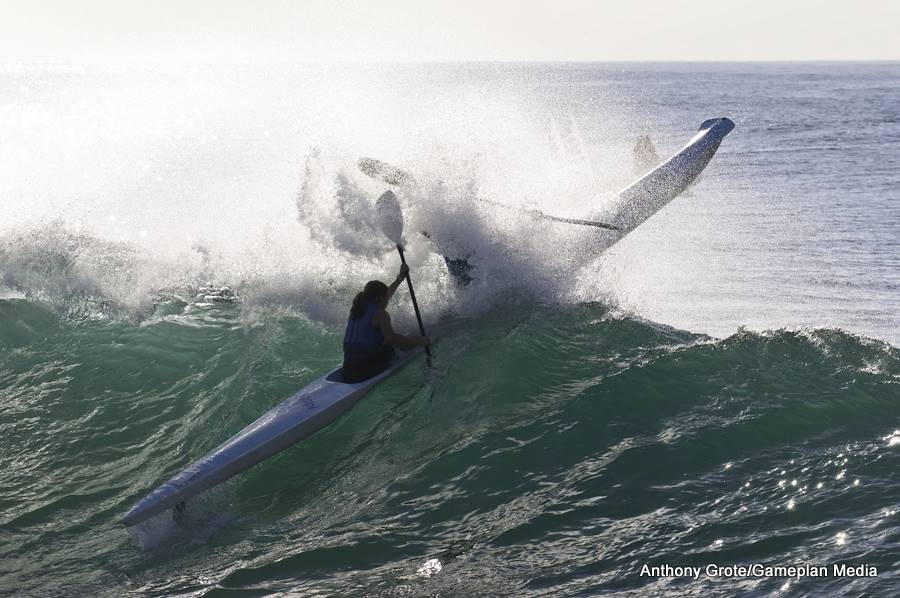
- Boats – the basics: In South Africa, the two main racing categories are K1/K2 (rivers) and S1/S2 (ocean). K1 (one paddler) and K2 (two paddlers) are “sit-inside” boats. S1/S2 are “sit-on-top” boats. When a river boat capsizes, you swim it to shore and empty the water before continuing. When an ocean ski capsizes, you climb back on and paddle immediately while the water drains out. The wider the boat, the more stable — but also slower. Rule of thumb for beginners: choose a slightly slower, more stable boat to avoid developing poor technique.
- Paddles: Over the past 30 years the “wing” paddle has largely replaced the “flat” paddle. Length should suit the paddler. Feathering (left/right offset) is still debated. Most paddles are made from lightweight carbon/fibreglass combinations.
- Join a club: Like any sport, you’ll learn much faster within a club environment — and you’ll meet great people along the way.
Free Diving and Spear Fishing:
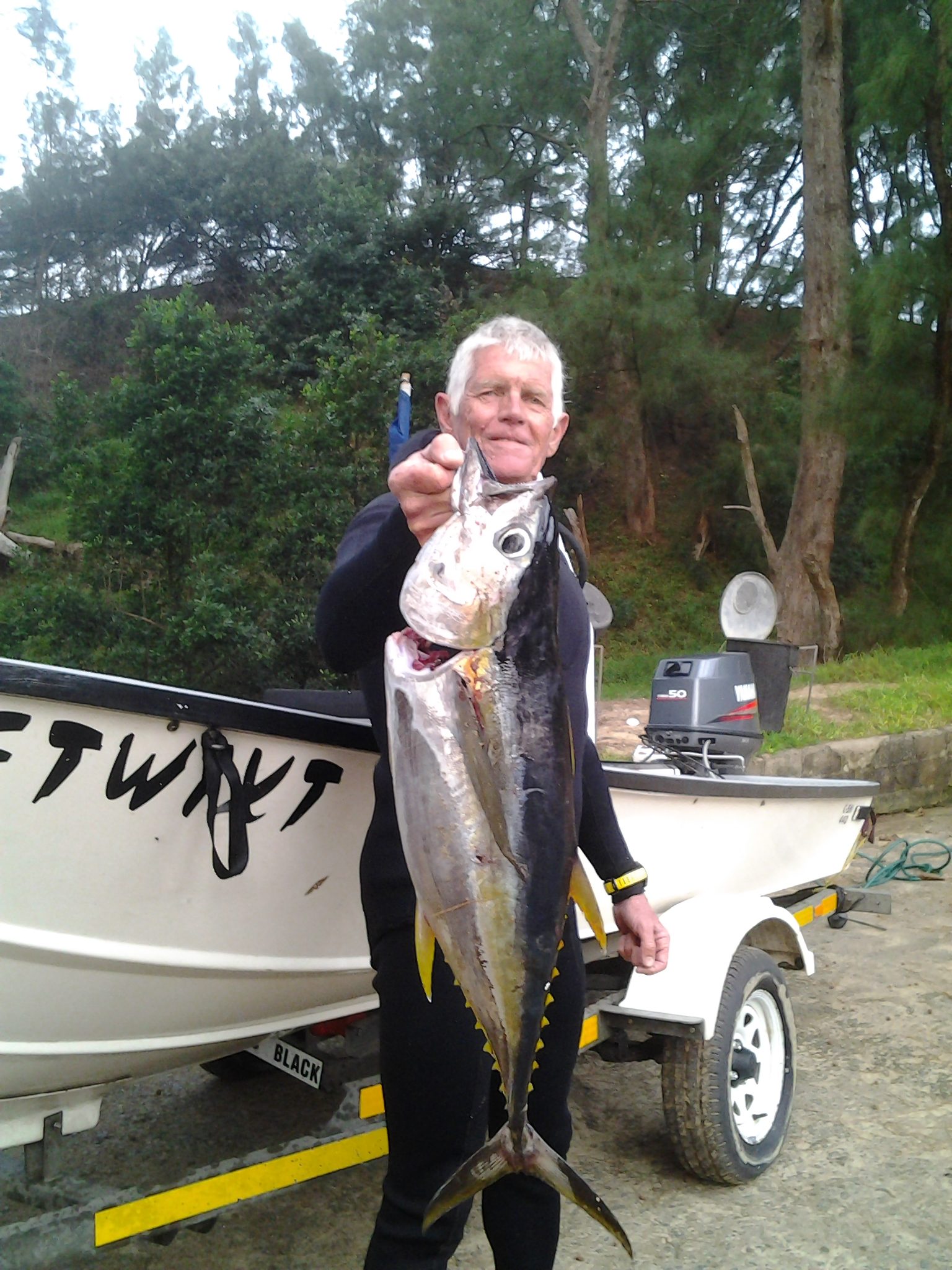
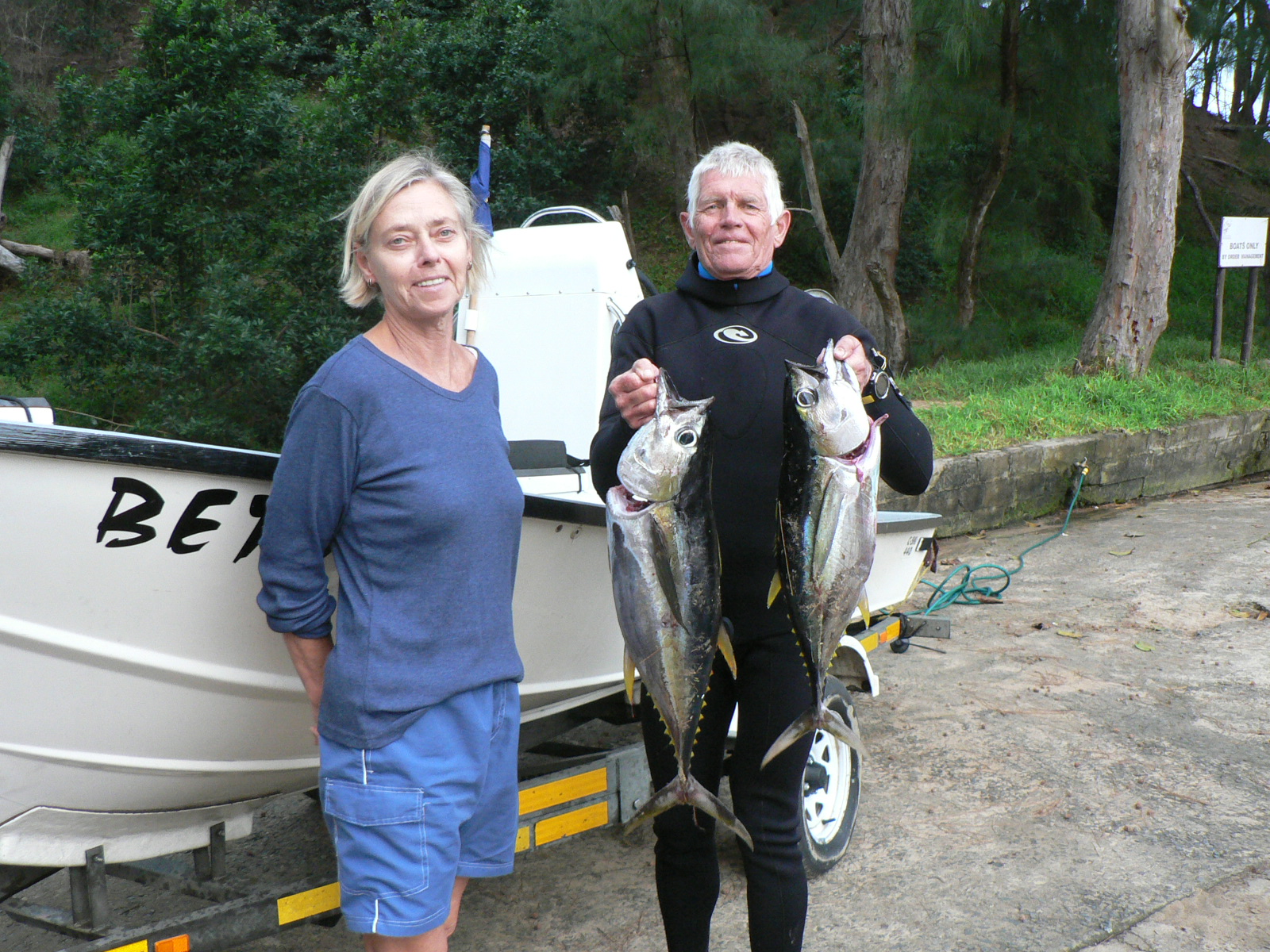
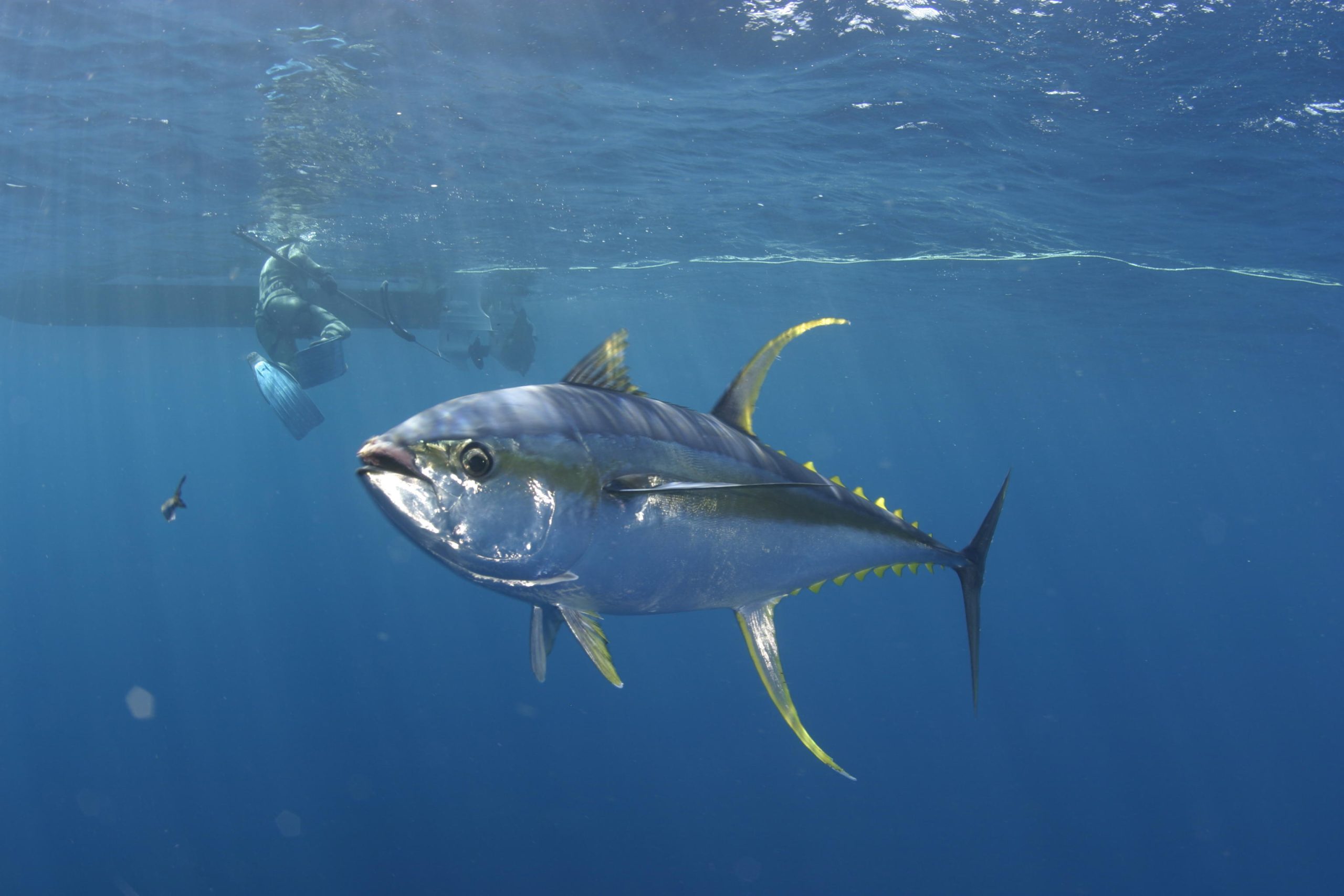

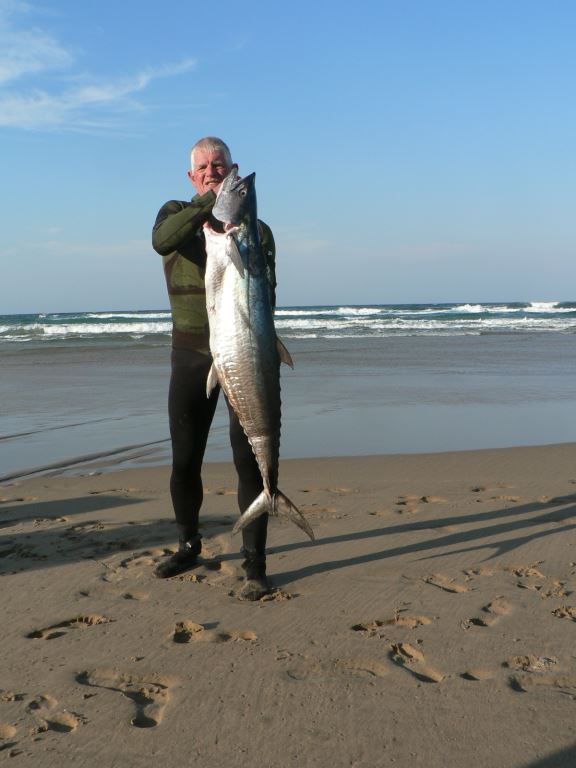
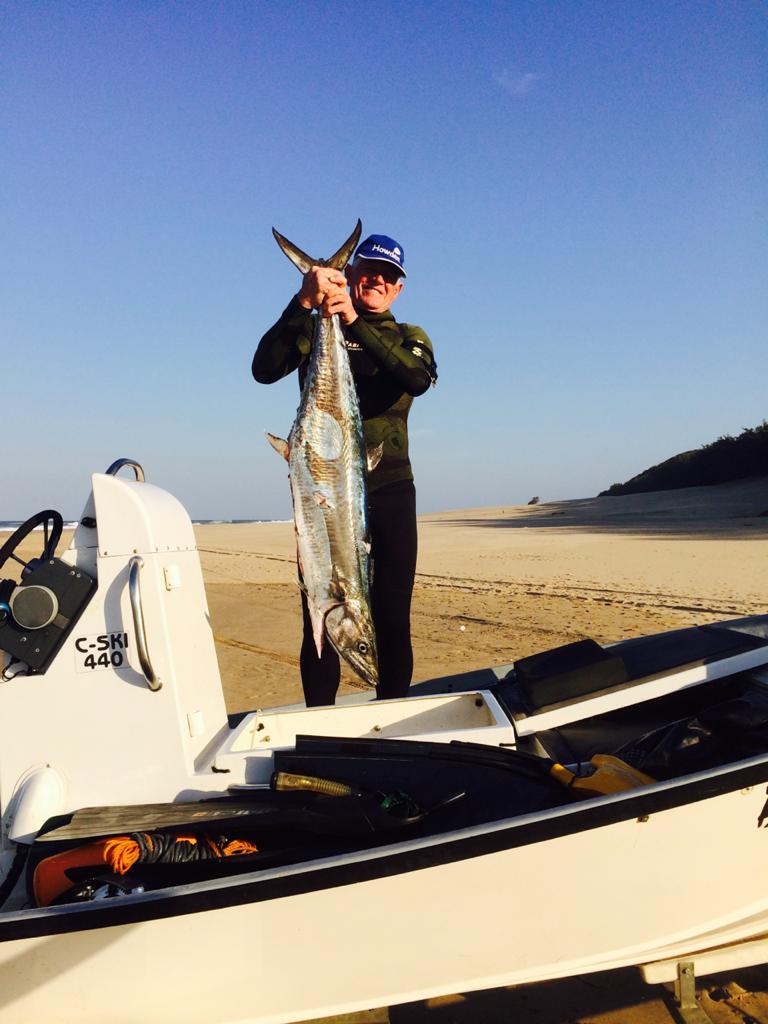
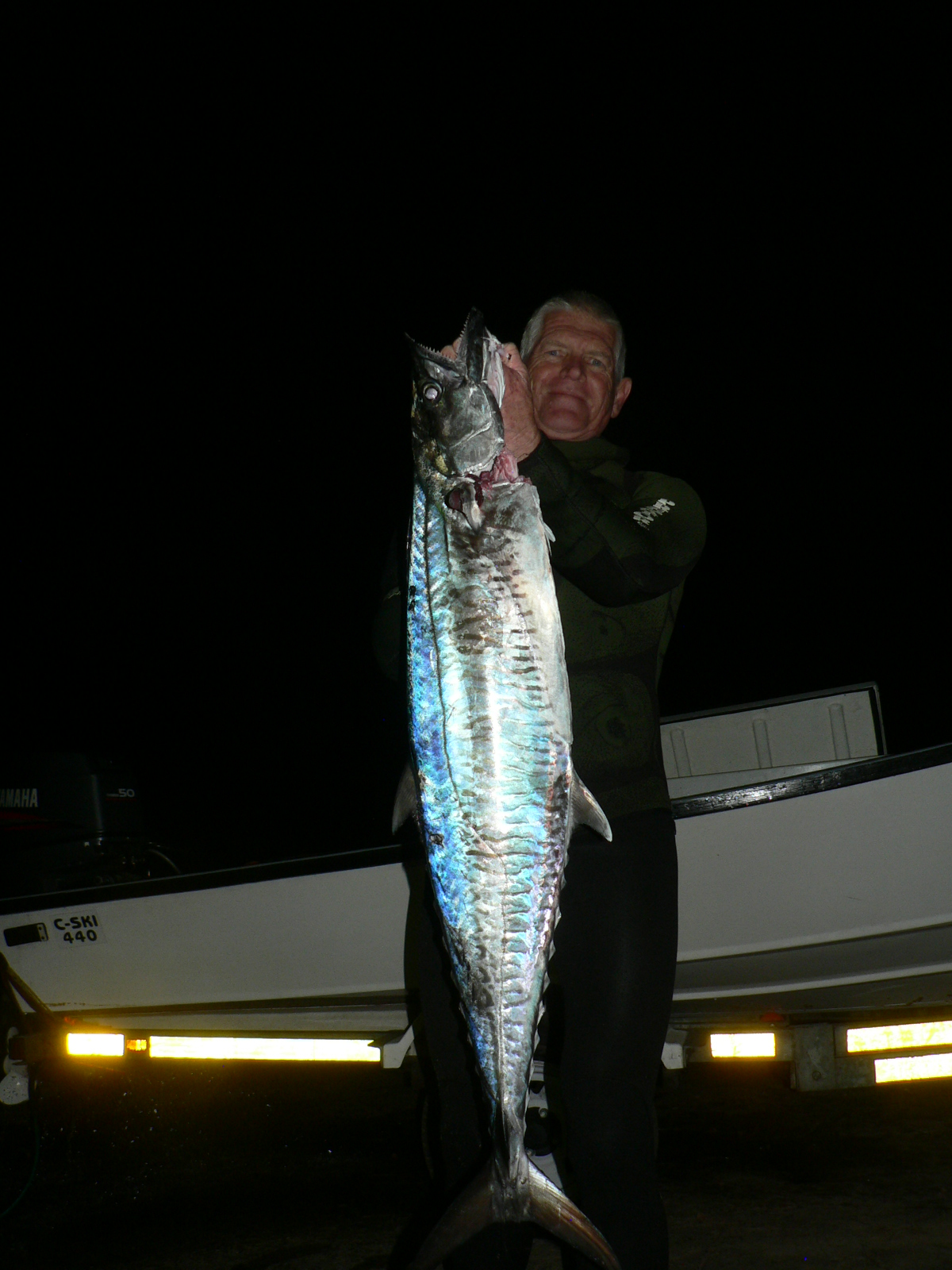
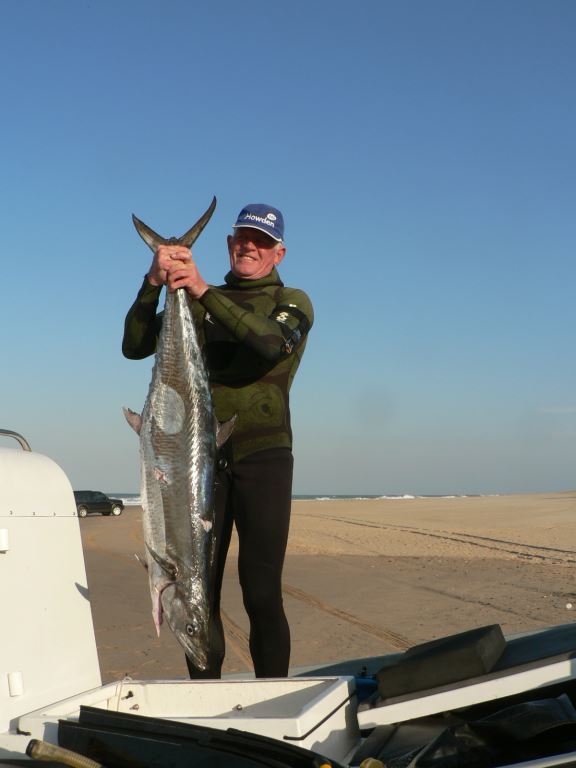
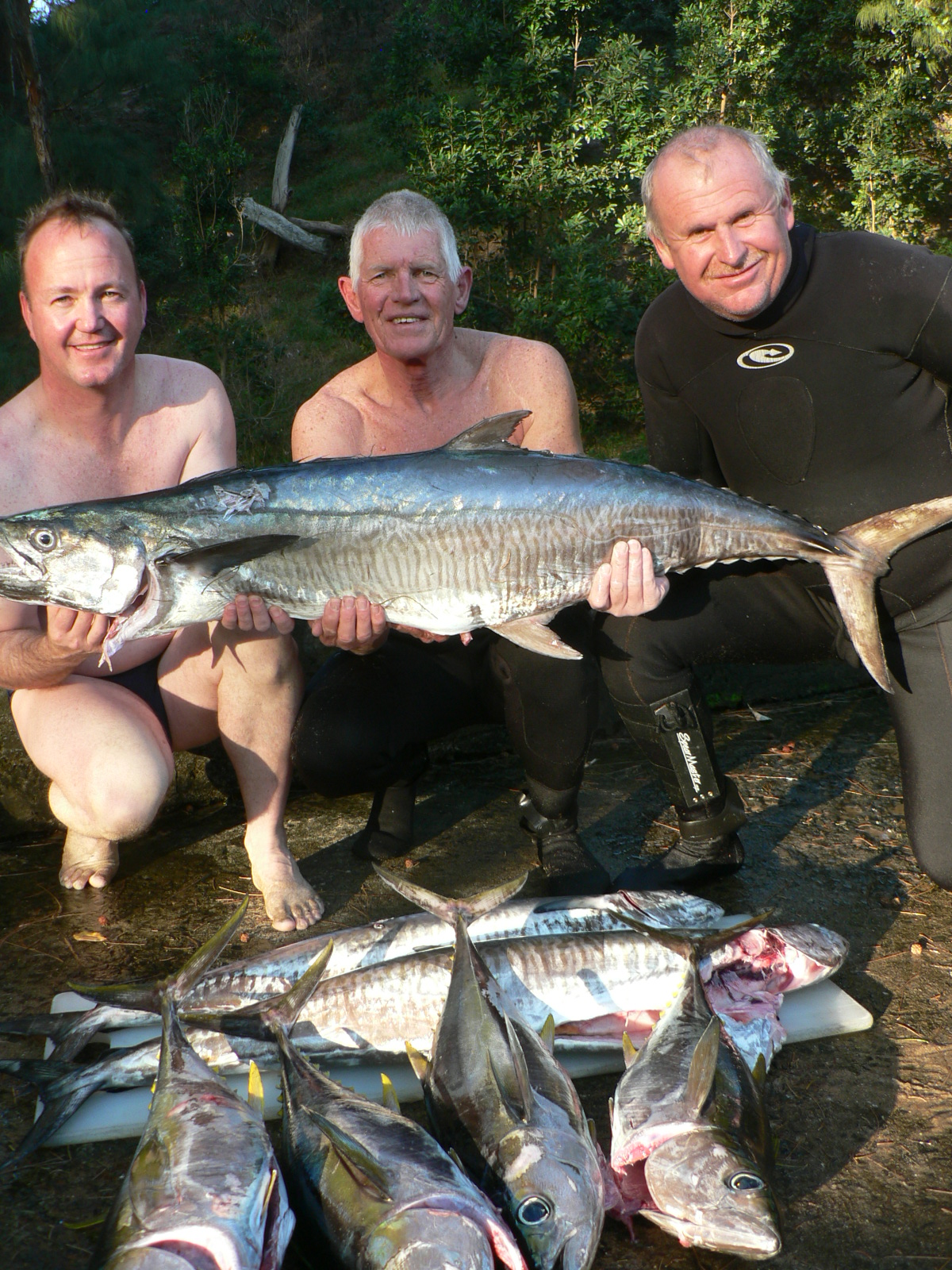
- Apnea: “Apnea” means holding your breath. There is an entire sport built around this discipline. Competitions typically test athletes in categories such as: static breath-holding, distance underwater just below the surface (with and without fins), swimming vertically to depth and returning under your own power, or descending deep and returning by alternative methods.
- Physiology: It is not as simple as it sounds. At greater depths (higher water pressure), pressure increases on the mask and goggles, and a “blood shift” occurs from the limbs toward the lungs. This makes for fascinating reading — even if you are not yet practising the sport.
- Spear Fishing: Spear fishing involves free diving while hunting fish. Regulations such as licences must be respected, along with ethical considerations (e.g. avoiding rare species, not using SCUBA gear while spearing). It is an exciting but dangerous sport. Several experienced spear fishers have lost their lives due to shallow-water blackouts and related risks. The temptation to stay down longer when a large fish remains just out of range can be fatal.
- Please ask for references, and educate yourself thoroughly.
Resistance training (“gymming”):
Again, this is a massive topic which we dare not profess to document on this mickey mouse little web site! We shall endeavour to provide only summarised guide lines, and encourage you to contact us for specifics, or research the topic by yourselves. “The truth I’ve discovered is that you don’t have to lift enormous weights to grow muscle. By using stricter form, slower negatives, and stretching between sets you can get an incredible pump in all your workouts. Numbers are an abstraction, especially to muscles. Your body doesn’t know the absolute weight of what you lift, it only recognizes how heavy it feels. The secret is to make lighter weights feel heavier.” – Frank Zane
The very basics of resistance training:
What does resistance training do for us? – Stronger muscles, joints, bone density, balance, reflexes, …. plus little “incidental aerobics”! Overload and Rest: Muscles grow when they get overloaded and then given time to rest – needing typically about 2 days for recovery. How do we overload a muscle? Either by doing lots of repetitions, or by doing lots of sets, or by using more weight. How do we know when a muscle was properly overloaded? When we experience DOMS the day after. (Delayed onset muscle syndrome is the fancy term for “stiff muscles”.) Unfortunately overloading fit muscles becomes increasingly tricky the fitter they become – much like a fit runner does not get stiff muscles after a minor run (like an unfit runner would). So, on alternative days we train other muscle groups that had not been trained for some time – i.e. “unfit muscles” – so we can overload them in turn while the trained ones rest and grow.
Form: We try to “isolate the muscle”. This means we make mainly only that muscle group work and do not (intuitively) help the movement along by employing other muscles, such as twisting, jerking. We also exercise the muscle over the full reach of movement, and not moving it for part of its reach only. Try consciously to do “the negative” (eccentric) slowly, because that’s where over-load is mostly happening (even when you “cheat” a little on proper form when doing “the positive” (concentric) – e.g. the bicep curl. The idea is to do the last repetition “to failure” – meaning you are almost unable to do one more.
Time economy: In-between sets we need to give the muscles a while to recover before doing the next set. Instead of making phone calls or chatting with others or admiring ourselves in the mirror, we immediately do another set of a different muscle group. Panting a little? – That’s good news, because this way we also sneak in a little incidental cardio training! Further to the time-saving issue: mostly the “compound exercises” are preferred above single limbs type – meaning lifting with both arms, and both legs at the same time. Some nasty advice for understanding technique better: learn from the mistakes of others. Sometimes just glance at others in the gym and “critique” them quietly by yourselves. You will be astonished by how incorrect/inefficient/dangerous the average gym trainer is! – even with the “personal trainer” watching approvingly – actually so sad.
Food for muscle growth: you can spend a fortune on the latest fad and show it off in the gym in a huge coloured container that looks like something like a space ship, or you could simply have some high protein intake soon after your training session. Milk whey (a by- product from the cheese manufacturing process) is easy to absorb and for sale in powder from as “whey protein” in several brands. Read the label and opt for the high protein (and low carbohydrate) content. Easily dissolves in water and comes in various tastes. Once back at home, eat high protein food and the good green goodies: vegetables, low fat milk, yoghurt, cheese, lean meat etc … the usual “good foods” – that we do anyway.
Set Backs!
(link to image 1) (link to image 2) (link to image 3) (link to image 4) (link to image 5) (link to image 6) (link to image 7)
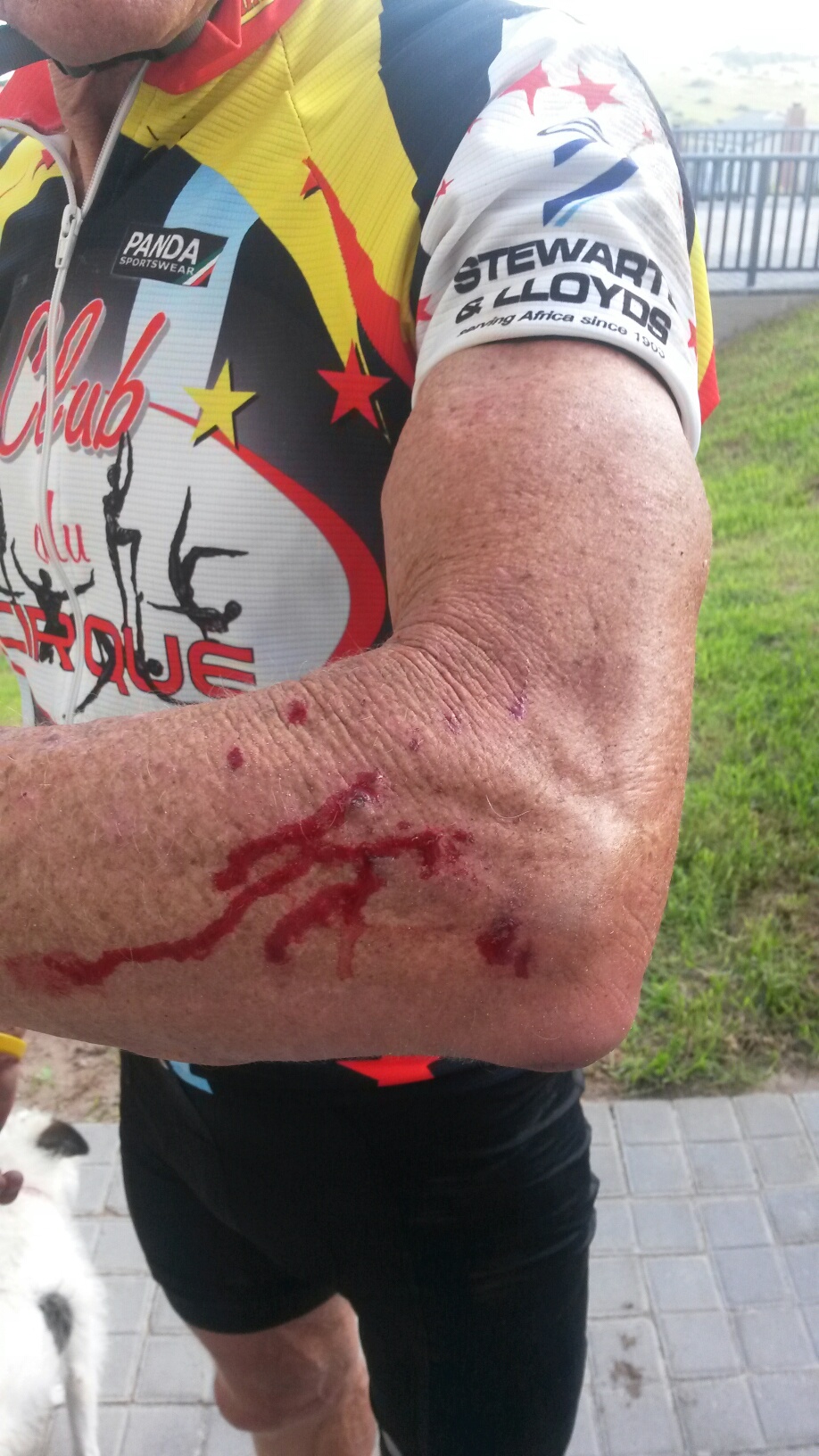
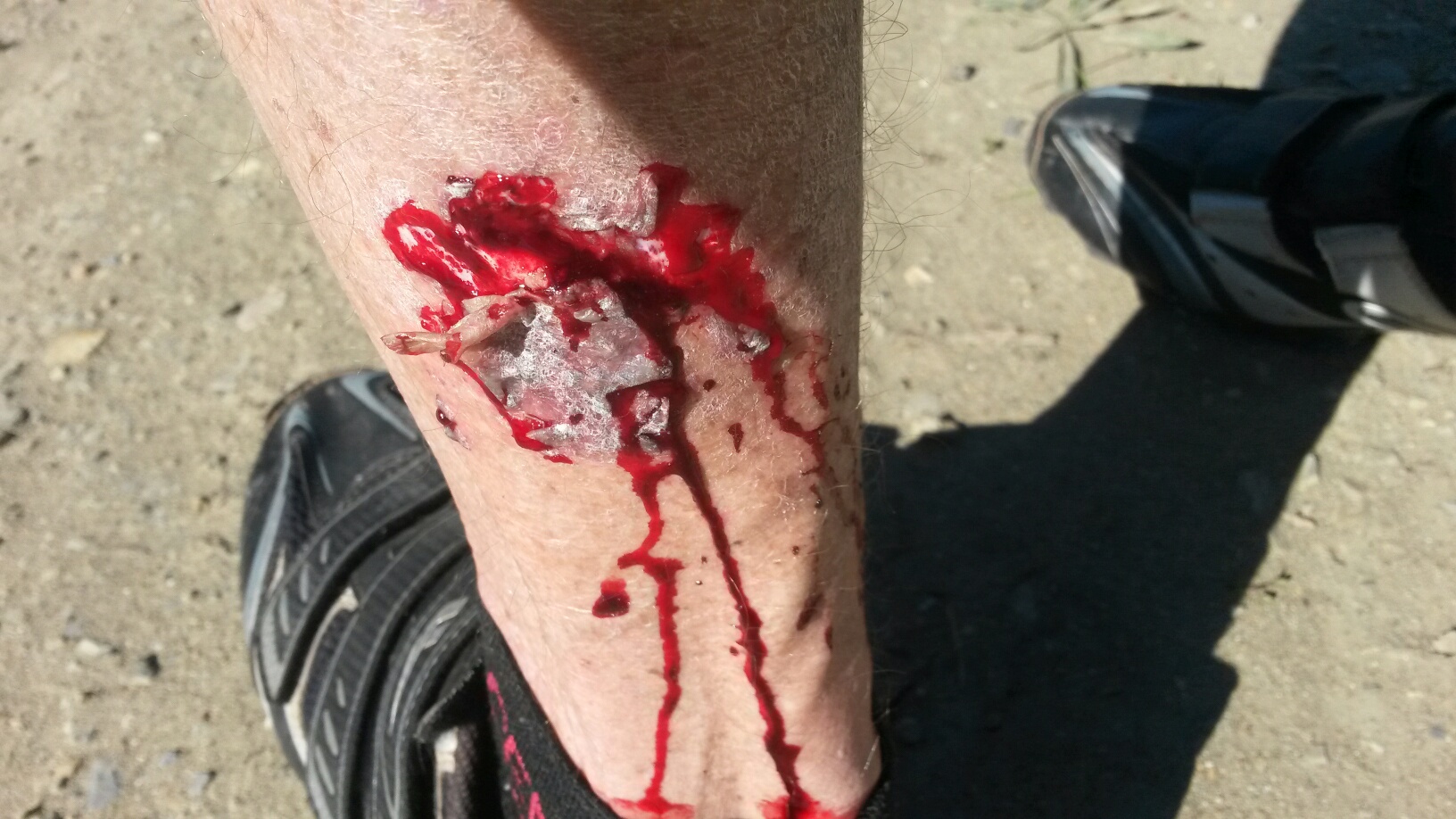

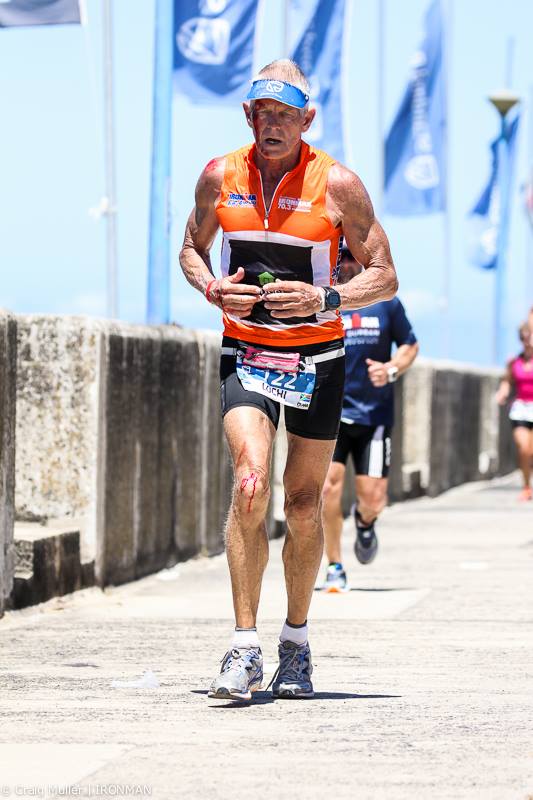
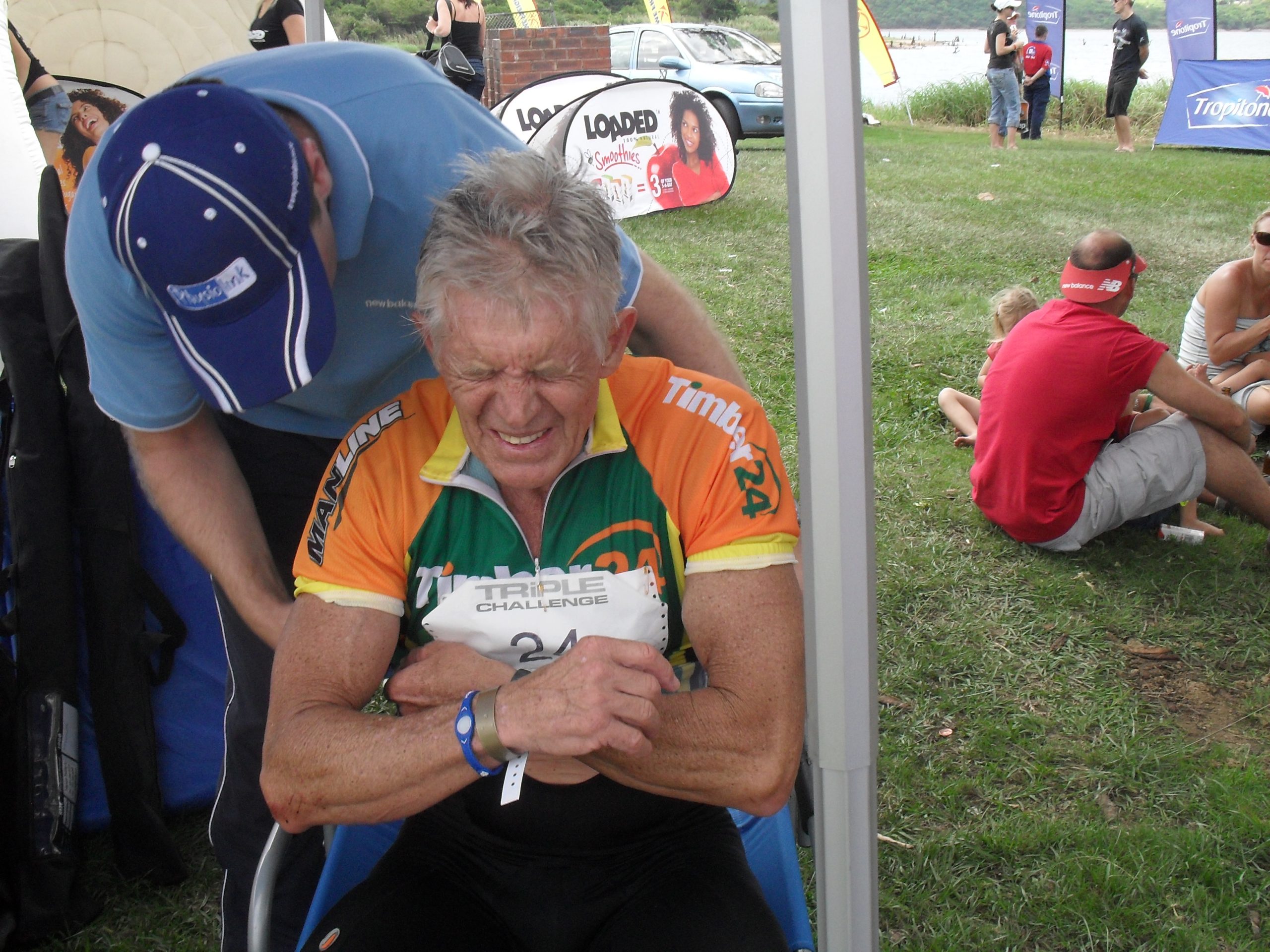

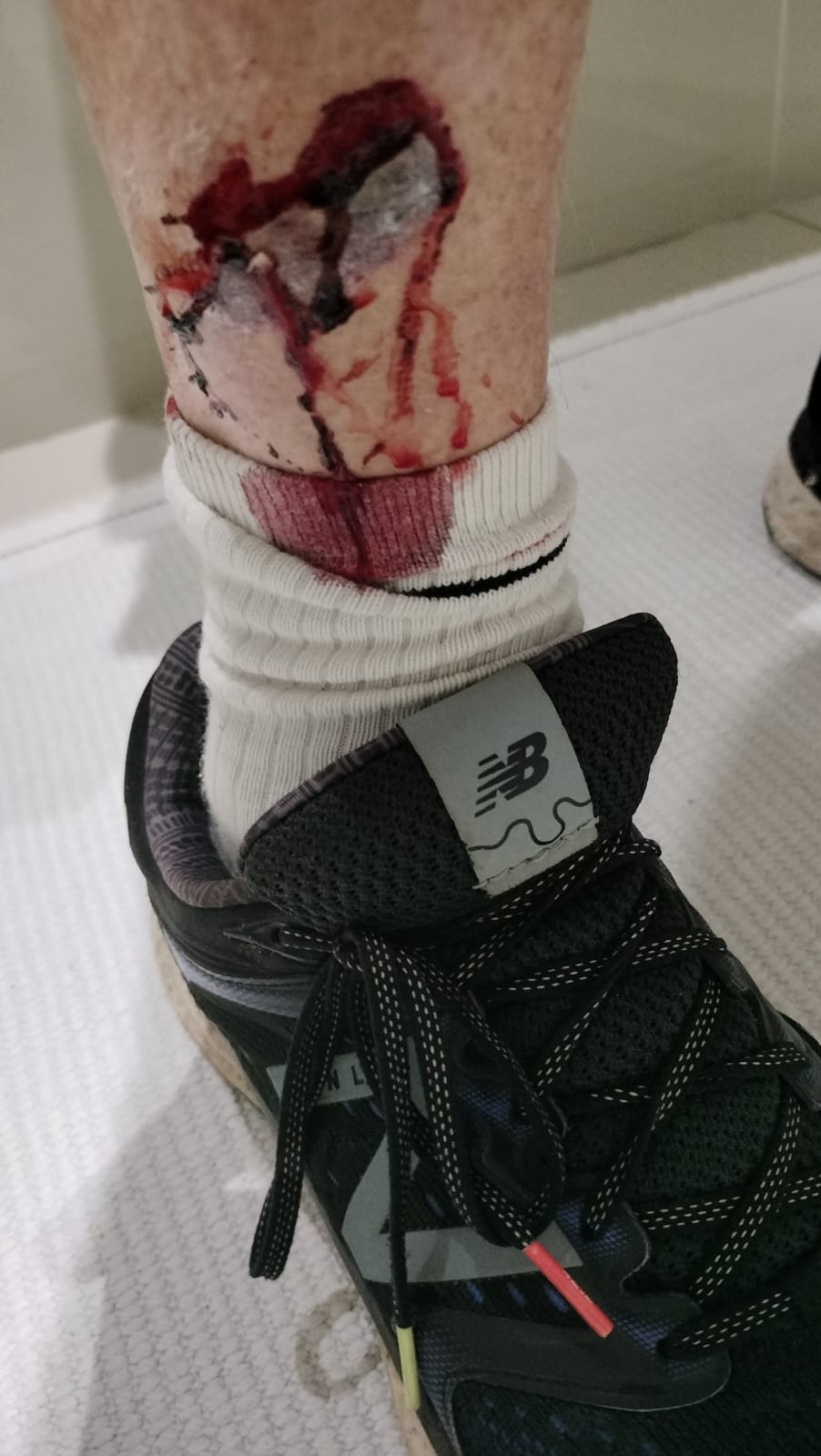
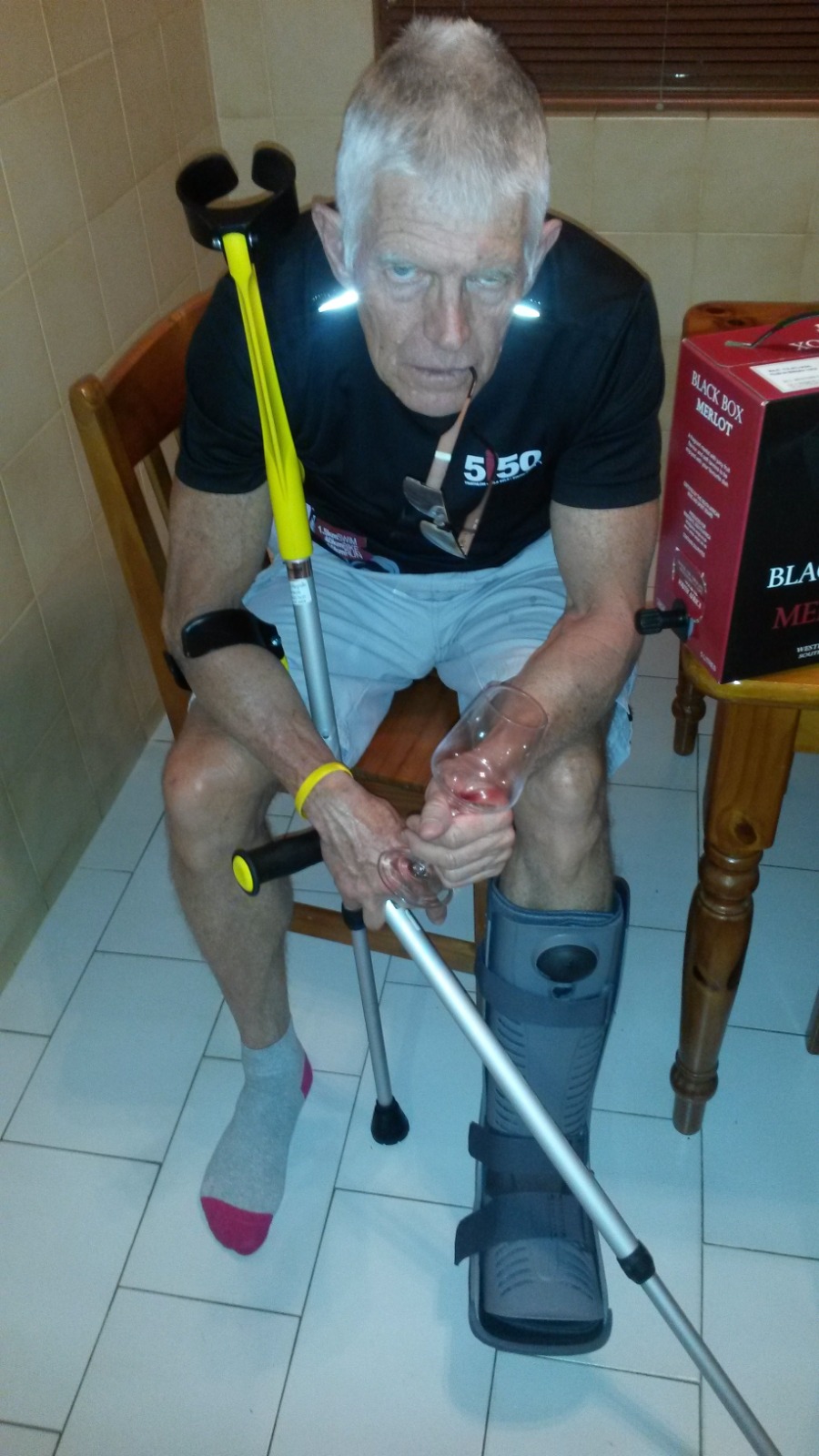
Yes, unfortunately we have to face reality as well! Injuries happen. Accidents happen. (link to pictures) Sometime we can overcome these and carry on. Sometimes they are permanent, even terminal. There is an Upper Hand that controls our destiny. Our job is just to “do our best” right now.
This is where what we call “the endurance mind set” is a major ally. Having experienced inconvenience, discomfort, even agony, supports us when we are really down in the dust. Major injuries, accidents, old age issues … the list goes on.